


A young woman’s unwavering stand against the shameful Iranian legal system is captured with both intimacy and exasperation in this insightful documentary about the case of Reyhaneh Jabbari, who was hanged for acting in self-defence against a rapist in 2014.

Review #2,623
Dir. Steffi Niederzoll
2023 | Germany, France | Documentary | 97 min | 1.85:1 | Persian
NC16 (passed clean) for some mature content
Cast: –
Plot: After seven years in prison, a female student in Tehran is hanged for murder. She had acted in self-defence against a rapist. For a pardon, she would have had to retract her testimony.
Awards: Won Peace Film Award, Compass-Perspektive Award & Nom. for Documentary Award (Berlinale)
International Sales: Cercamon
Accessibility Index
Subject Matter: Moderate – Capital Punishment; Women in Iran; Legal Injustice
Narrative Style: Straightforward
Pace: Slightly Slow
Audience Type: Slightly Arthouse
Viewed: Screener (Singapore Film Society Showcase)
Spoilers: No
Fresh from winning a couple of awards at the 2023 Berlinale, Seven Winters in Tehran should interest both documentary enthusiasts and human rights advocates as it brings us back to the infuriating 2014 case of Reyhaneh Jabbari, who was hanged for acting in self-defence against a rapist who died in the struggle.
This is the story of a young woman’s unwavering stand against the corrupted Iranian legal system, but while the ‘talking heads’ interviews with her family members might seem ordinary in approach, director Steffi Niederzoll does succeed to a large extent in capturing both the intimacy and exasperation of the case.
It is such a personal take on something that had sparked global outrage—much of this comes from how ‘close’ we as audiences are able to get into the late Reyhaneh’s psyche.
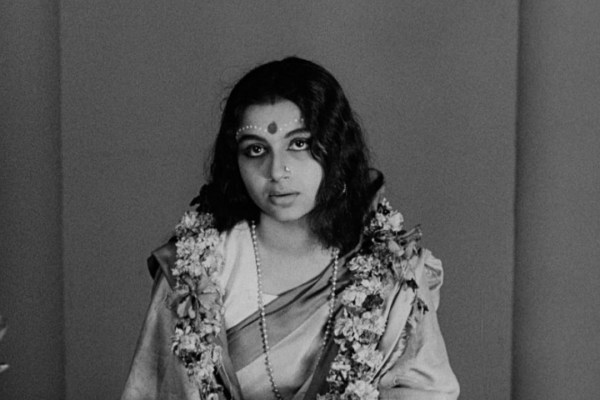
She is voiced into existence by Zar Amir-Ebrahimi (of 2022’s Holy Spider), as accompanying images of miniatures e.g. prison cells help us to visualise her predicament.
“I’m about to be hung, but I’m not afraid.”
Seven Winters in Tehran brings to light the problematic nature of ‘blood revenge’—an ‘eye for an eye’ tradition that foregrounds violence and vengeance as a legitimate philosophy of punishment and justice.
With laws written and bent at will by men that do not protect women from sexual assault, the plight of Iranian women doesn’t come as surprising, particularly with this documentary’s release at a time when Iranian civilians, not just women, continue to be oppressed by those in power.
For her life to be spared, Reyhaneh had the option of retracting her statement that the deceased tried to rape her to protect the good name of the family.
Nearly a decade has passed since this shameful episode, but Seven Winters in Tehran reminds us that the personal is always political—there’s no escaping the fact that as long as countries (clearly not just Iran) murder ‘criminals’ unlawfully for reasons that are hardly justifiable, justice becomes a moral complication.
Grade: B+
Trailer:
 Eternality Tan
[…] Seven Winters in Tehran (2023) […]
LikeLike